APP and SBS
Modified bitumen is asphalt modified with polymers for flexibility and reinforced with fiberglass or polyester, installed in multiple plies. The value is redundancy: if one ply is compromised another is still under it, which matters on roofs that take foot traffic.
APP uses a plastic polymer and is usually torch applied, holding up well to UV and heat. SBS uses a rubber polymer, stays more flexible, and can be torched, mopped, set in cold adhesive or self adhered. In DFW both work, and SBS gives you more application options, which matters on occupied buildings.
Application Matters More Than The Membrane
Torch applied. Fast with an excellent bond, and open flame on your roof. It needs a documented fire watch and a period after the crew stops where someone is still watching. Some buildings and insurers will not permit it at all.
Cold adhesive. No flame, slower, more expensive, and the right answer on occupied buildings, schools and medical facilities.
Self adhered. No flame and no fumes, the cleanest option near sensitive occupancies. Needs a clean dry primed substrate or it will not bond.
Hot asphalt. Effective, and it brings a kettle, smell and smoke to your property.
Working Around Your Operation
Most of this happens over occupied space, and metal is loud. We phase the noisy work into nights and weekends where tenants need it, keep docks and entrances clear, and sequence panels so the building is never open to weather at close of day.
Working In DFW Heat
Bitumen work is temperature sensitive on both ends, and a Texas summer pushes the top end hard. Surface temperatures on a dark cap sheet in July climb far past the air temperature, self adhered membrane goes tacky before it is positioned, and rolls stored on the roof overnight can be too soft to handle straight the next morning. Crews slow down too, and a crew working past its limit makes detail mistakes at the flashings.
So we shift the schedule instead of pushing through. Early starts, staging material in shade or off the roof until it is needed, and holding torch work to the cooler part of the day for the crew's sake as much as the membrane's. The upside of our climate is the flip side of that same range: the mild stretches of spring and fall in North Texas are excellent bitumen weather, and if your budget cycle allows it, that is when we would rather do your building.
From Our Inspections
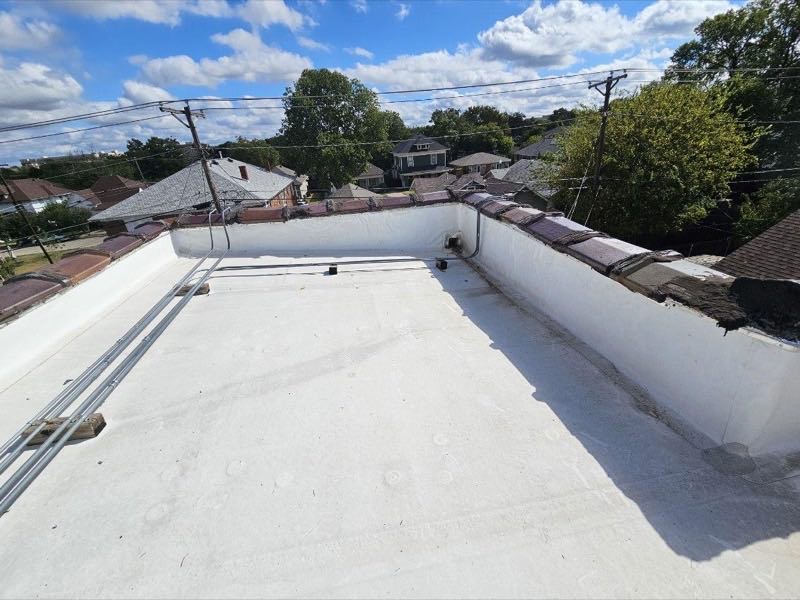
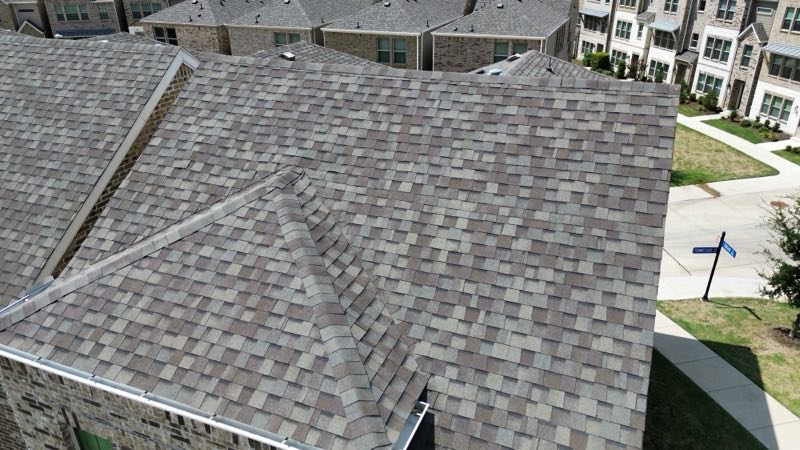
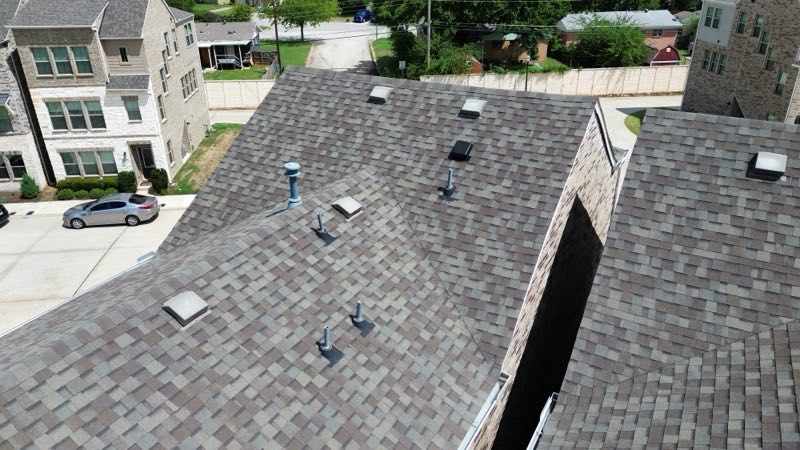
Photos from real inspections.
Questions
Is torch applied roofing safe on my building?
How many plies do I need?
Get it looked at before it gets expensive
Call and you get someone who has been on a roof, not a call center.